
Why CRuNCH Focuses on Teenagers
“I just didn't realise that food could taste this good.”
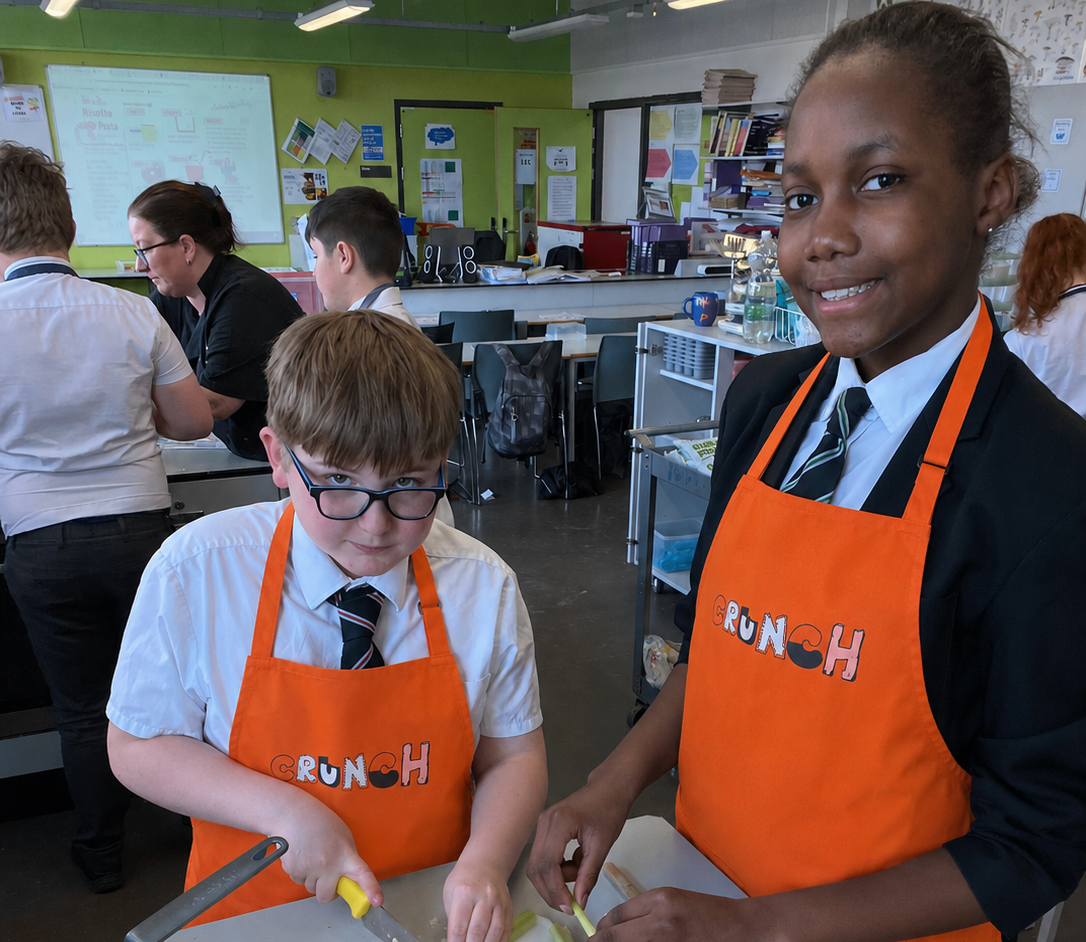
Last week, a Year 8 girl at Mangotsfield School tasted the smoky black bean chilli she had just made in one of our CRuNCH sessions.
She looked up, beaming with pride, and said:
“I just didn't realise that food could taste this good.”
Anyone who works with teenagers knows that praise like this doesn't come easily. Many adolescents communicate primarily through shrugs, eye-rolls and the occasional one-word answer, so I took it as a pretty strong endorsement.
But her comment also captured something much bigger.
It captured exactly why we focus on teenagers.
A unique window of opportunity

Adolescence is one of the most important stages of life. It is a period of rapid physical, emotional and social development, but it is also a time when lifelong habits begin to take shape.
As teenagers gain independence, they start making more decisions about what they eat, how they spend their money and how they look after their health. The food choices they make during these years can influence their wellbeing for decades to come.
Yet teenagers are often overlooked when it comes to food education.
Many healthy eating initiatives focus on younger children, while others target parents. But adolescence represents a unique window of opportunity. Young people are beginning to make independent choices, yet they remain highly receptive to learning new skills and developing habits that can last a lifetime.
At CRuNCH, we believe this makes teenagers one of the most important groups to engage.
The challenge facing today's teenagers
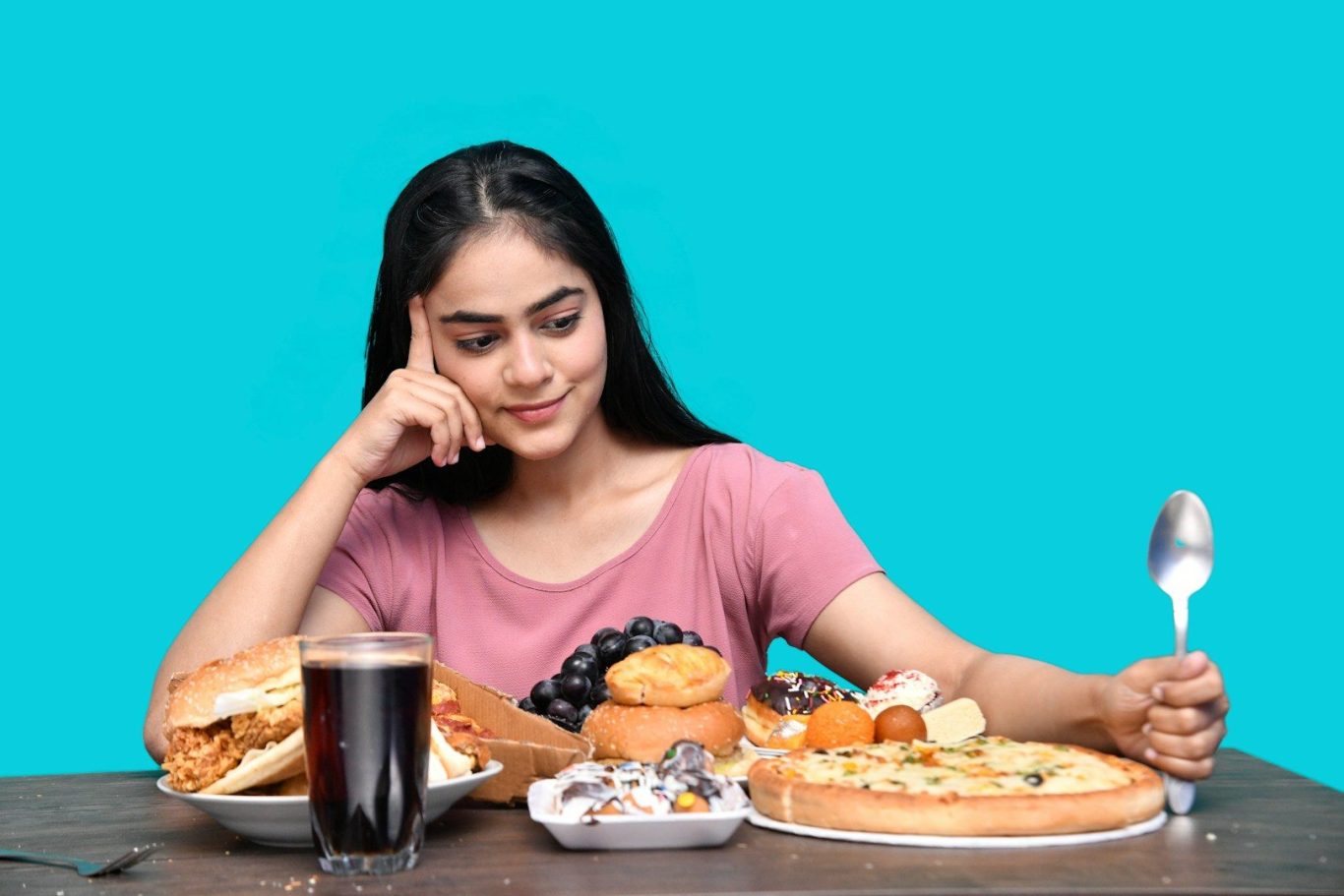
Today's young people are growing up in a food environment unlike any previous generation.
They are surrounded by marketing for fast food, energy drinks and ultra-processed snacks. Social media influences what they eat. Convenience foods are often cheaper, easier and more heavily promoted than healthier alternatives.
At the same time, many young people are reaching adolescence without the confidence to cook even a simple meal.
This isn't a criticism of families. Parents today face enormous pressures, including rising food costs, busy lives and a food system that often makes unhealthy choices the easiest option.
But it does mean that many teenagers are missing out on an essential life skill.
Research consistently shows that cooking skills are linked to healthier dietary habits, increased fruit and vegetable consumption and greater confidence around food. Young people who learn to cook are also more likely to prepare meals for themselves as adults.
Yet for many teenagers, opportunities to learn these skills are increasingly limited.
Why we keep it simple
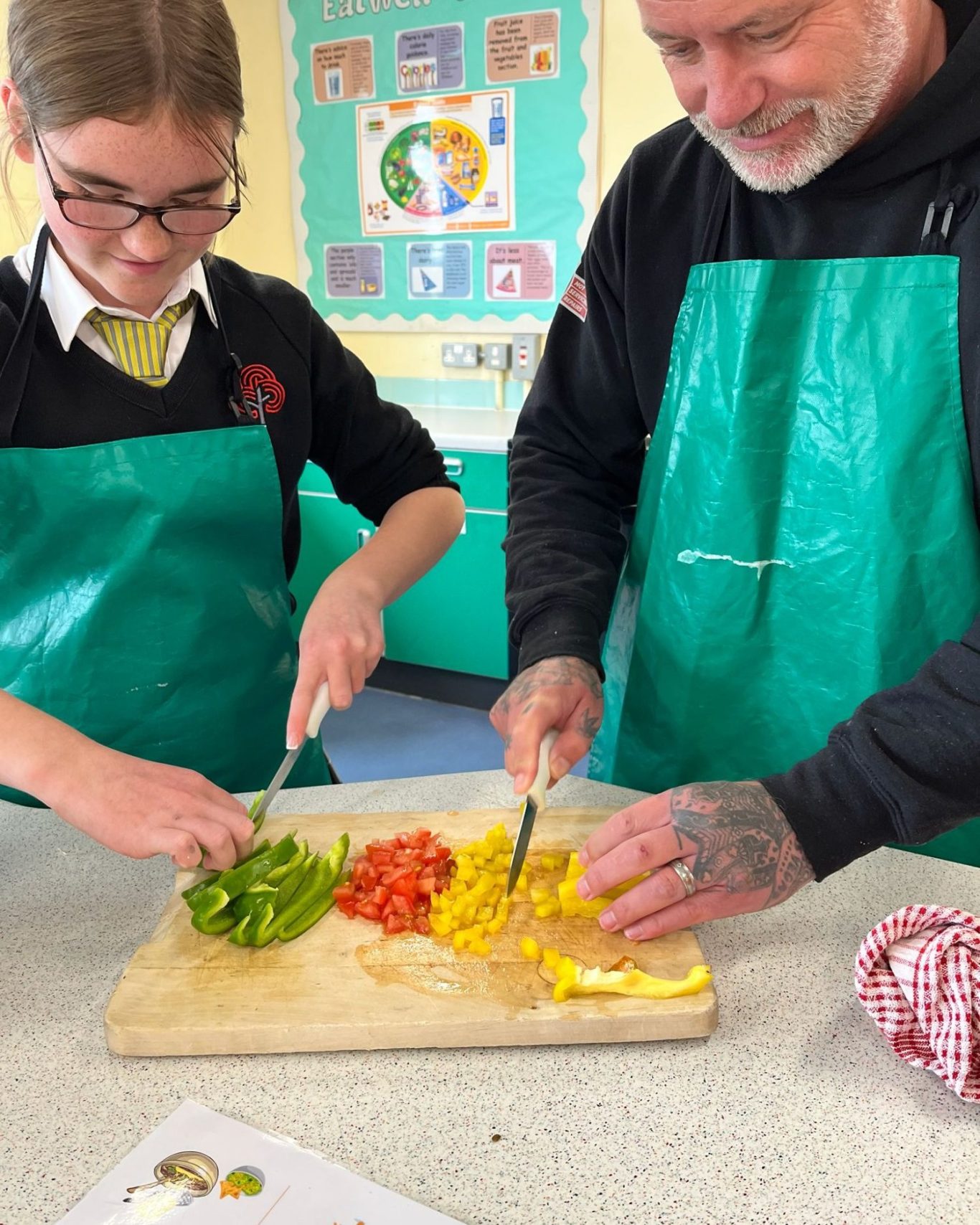
One of the reasons CRuNCH works is because we don't try to teach everything at once.
Rather than overwhelming young people with nutritional jargon or complicated recipes, we focus on teaching just five healthier takes on teenage-friendly meals that they actually want to eat.
The goal isn't to turn them into chefs overnight.
The goal is to help them experience success.
When a teenager learns how to make a healthier burger, pasta dish or chilli from scratch, something important happens. They realise that healthy food can be affordable, delicious and achievable.
That first success builds confidence.
And confidence matters.
Behaviour change research shows that self-efficacy - the belief that you can successfully perform a task - is one of the strongest predictors of future behaviour. When young people successfully cook a meal and enjoy eating it, they become far more likely to try again.
In many ways, confidence is the first ingredient in lasting change.
More than cooking
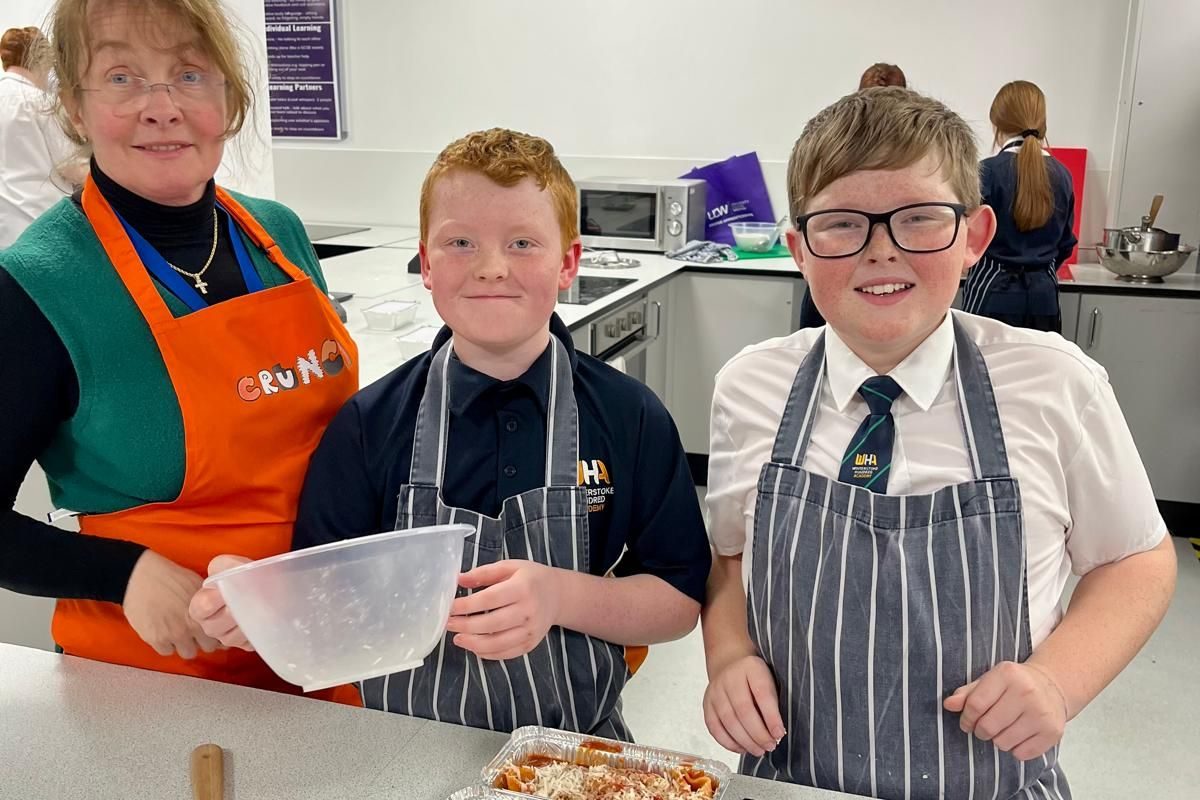
While cooking sits at the heart of our programmes, what we are really teaching is independence.
Through CRuNCH, teenagers learn how to:
- Understand the basics of nutrition
- Cook simple meals from scratch
- Shop smartly on a budget
- Make informed food choices
- Build confidence in the kitchen
But the benefits go far beyond food.
As young people work together to prepare meals, they develop teamwork and communication skills, learn to support one another and build new friendships. Just as importantly, they experience the sense of achievement that comes from mastering a new skill and creating something they are proud of.
For many teenagers, successfully cooking a meal from scratch can be a powerful boost to self-confidence. It helps them realise they are capable, resourceful and able to take charge of their own wellbeing.
These are skills and experiences that extend far beyond adolescence.
The ability to prepare affordable, nutritious meals can support physical health, improve wellbeing and reduce reliance on highly processed foods. It can also influence future families and communities.
When we teach a teenager to cook, we are not simply helping them prepare tonight's dinner. We are helping them build confidence, develop social connections and acquire life skills that may shape their relationship with food - and themselves - for years to come.
Small moments, lasting impact
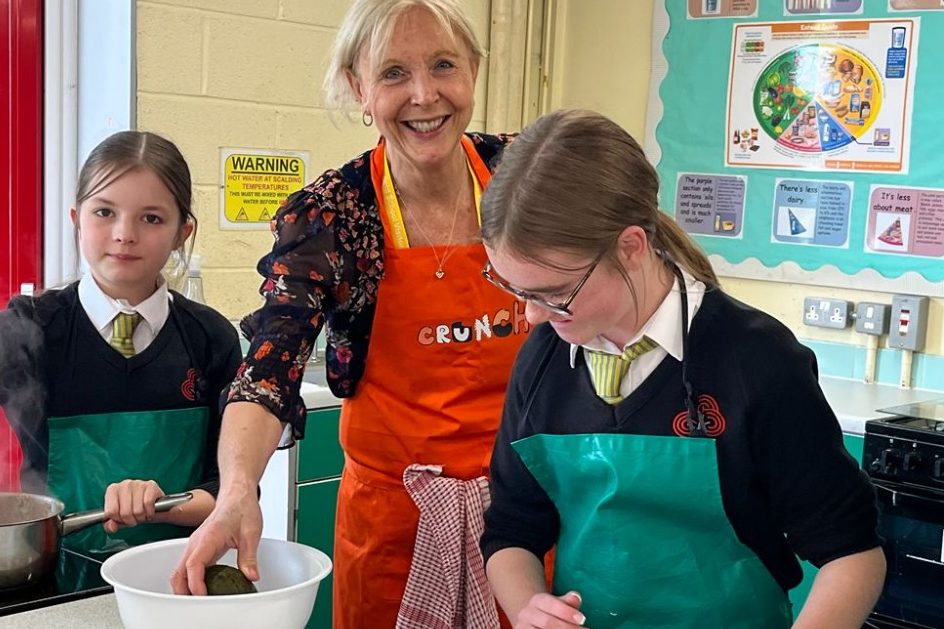
The Year 8 student who discovered she loved smoky black bean chilli may not remember every nutrition fact she learned during the session.
But she will remember the feeling of creating something herself.
She will remember that healthy food can taste good.
And she will remember that she is capable of cooking it.
Those moments matter.
Because lasting change rarely starts with a lecture.
It starts with a positive experience.
A new skill.
A boost in confidence.
Or sometimes, a teenager tasting a bowl of chilli and saying:
"I just didn't realise that food could taste this good."
Teenagers can be hard nuts to crack.
That's exactly why we focus on them.
References and Further Reading
Patton GC et al. (2016). Our Future: A Lancet Commission on Adolescent Health and Wellbeing. The Lancet, 387(10036), 2423–2478.
World Health Organization. Adolescent Health. Available at: www.who.int/health-topics/adolescent-health
The Food Foundation. Children's Food and Nutrition Reports. Available at: www.foodfoundation.org.uk
Office for Health Improvement and Disparities. National Diet and Nutrition Survey. Available at: www.gov.uk/government/collections/national-diet-and-nutrition-survey
Reicks M et al. (2014). Impact of Cooking and Home Food Preparation Interventions Among Adults and Children: Outcomes and Implications for Future Programmes. Journal of Nutrition Education and Behavior, 46(4), 259–276.